
Programs / Filmmaking
Stop filming.
Start filmmaking.
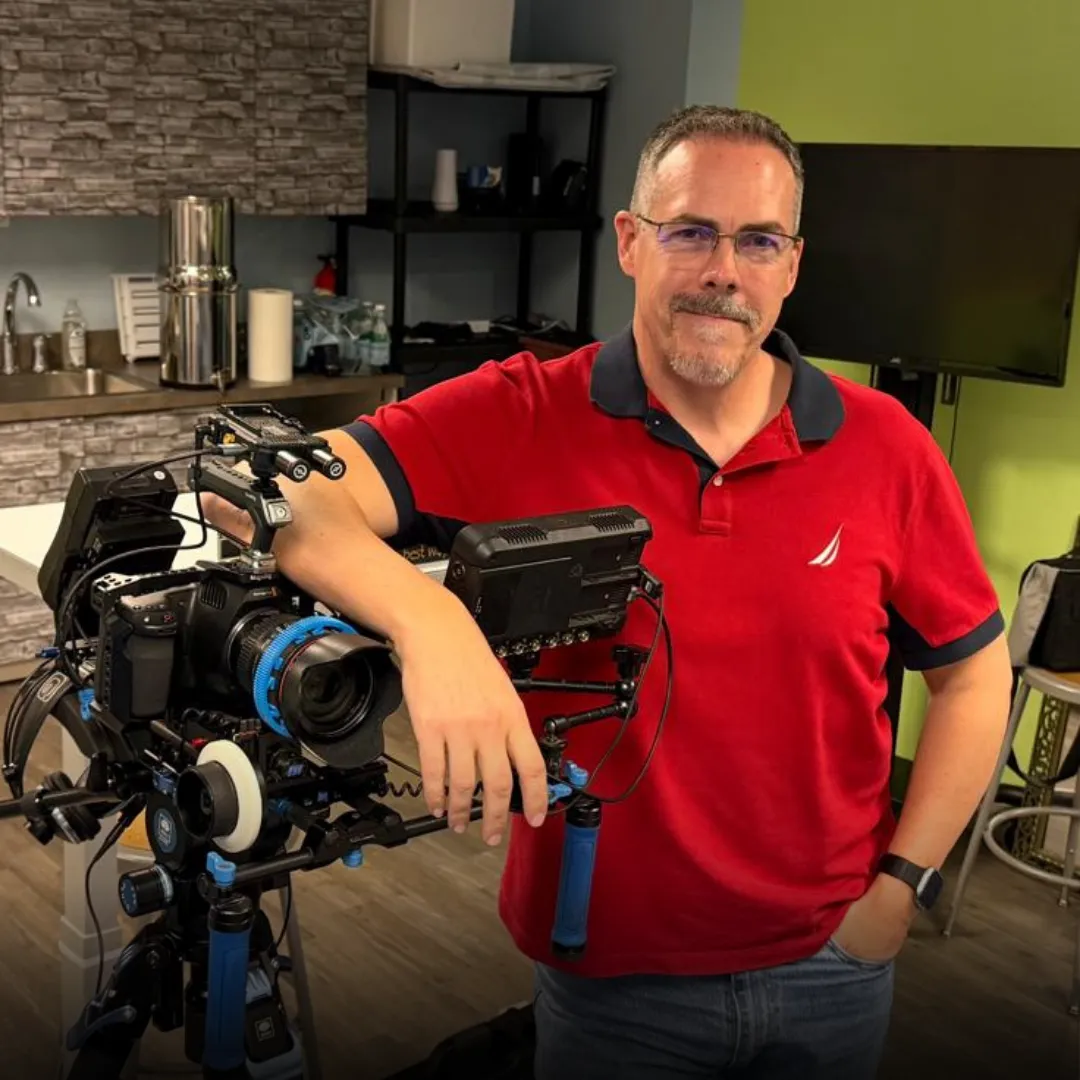
In 12 weeks you write, produce, direct, cast and edit your own short film, then premiere it for working filmmakers. The camera, lights and mic you learn on are yours to keep.
No experience needed.
Is this for you?
No experience needed. Pick the one that sounds like you.
Evenings, 6 to 9pm
I'm a college graduate
You have the degree. Now get the proof employers want. Twelve weeks of Tuesday and Thursday evenings. You finish with a short film you made yourself, reviewed by industry professionals, a portfolio and a certificate of completion.
See start datesHigh school graduates
I'm a high school graduate
You've filmed on your phone. Now learn to write the story, light the scene and direct people who act in it. You start from the basics.
Start your applicationFour courses, 24 classes
Pick a course to see its six classes, and what you make in each.
The Art of Storytelling
Master the fundamentals of storytelling, character development, and screenplay structure.
- Class 1
Storytelling Fundamentals
Exploring narrative structure, plot development, and theme.
You makeDevelop a logline and one-page synopsis for an original film idea.
- Class 2
Character Development
Creating compelling characters with depth and motivation.
You makeWrite a character study for a protagonist and antagonist, including backstory and arc.
- Class 3
Screenplay Structure and Formatting
Mastering the three-act structure and industry-standard formatting.
You makeOutline a short film script, including key scenes and plot points.
- Class 4
Dialogue and Scene Construction
Writing engaging dialogue and crafting dynamic scenes.
You makeWrite a scene with compelling dialogue that reveals character and advances the plot.
- Class 5
Genre and Style
Exploring different film genres and developing a unique voice.
You makeAnalyze a film scene from your favorite genre and write a similar scene in your own style.
- Class 6
Rewriting and Polishing Your Script
Providing and receiving constructive feedback, revising, and editing.
You makeRevise your short film outline based on peer feedback and instructor guidance.
Cameras and Lighting: The Visual Language of Film
Master the technical and creative aspects of cinematography, including camera operation, lighting, and composition.
- Class 7
Camera Fundamentals
Exploring camera settings, lenses, and shot composition.
You makeShoot a series of still photographs using different camera settings and lenses to achieve various effects.
- Class 8
Lighting Fundamentals
Understanding natural light, artificial light, and lighting techniques.
You makeSet up a basic lighting scheme for a portrait or interview using available light and reflectors.
- Class 9
Cinematography and Visual Storytelling
Using camera movement, framing, and composition to tell a story.
You makeShoot a short scene using different camera angles and movements to create a specific mood and atmosphere.
- Class 10
Color and Tone
Understanding color theory, white balance, and color grading.
You makeExperiment with color grading techniques in post-production to enhance the mood and atmosphere of a scene.
- Class 11
Working with a Cinematographer
Collaboration, communication, and achieving your vision.
You makePlan a shoot with a fellow filmmaker, outlining camera angles, lighting, and visual style.
- Class 12
Advanced Cinematography Techniques
Exploring specialized equipment and techniques like Steadicam and drone cinematography.
You makeResearch and present on a specific cinematography technique or style.
Casting and Directing Actors
Develop essential skills in casting, directing actors, and bringing characters to life on screen.
- Class 13
The Casting Process
Finding the right actors for your film and conducting auditions.
You makeDevelop a character breakdown and casting call for a short film.
- Class 14
Working with Actors
Building trust, communication, and providing effective direction.
You makeDirect a scene with actors, focusing on character motivation and objectives.
- Class 15
Directing Styles and Techniques
Exploring different directing approaches and finding your own voice.
You makeAnalyze a scene from a film and identify the director’s style and techniques.
- Class 16
Building a Scene
Blocking, rehearsal, and capturing performances on camera.
You makePlan and rehearse a scene with actors, then shoot the scene with a camera.
- Class 17
Working with a Crew
Collaboration, communication, and leadership on set.
You makeParticipate in a mock film shoot, taking on different crew roles.
- Class 18
Directing Different Genres
Adapting your directing style for comedy, drama, action, and other genres.
You makeDirect a short scene in a specific genre, focusing on the unique challenges and opportunities.
Editing with Adobe Premiere Pro
Master the art of film editing using Adobe Premiere Pro, from basic cuts to advanced techniques.
- Class 19
Premiere Pro Essentials
Importing footage, organizing projects, and basic editing tools.
You makeEdit a short sequence of footage, practicing basic cuts and transitions.
- Class 20
Editing for Story and Pacing
Building tension, creating rhythm, and shaping the narrative.
You makeEdit a short scene, focusing on pacing and emotional impact.
- Class 21
Sound Design and Mixing
Adding music, sound effects, and dialogue to enhance the film.
You makeCreate a soundscape for a short film scene, incorporating music and sound effects.
- Class 22
Color Correction and Grading
Adjusting color and tone to achieve a specific look and feel.
You makeColor correct and grade a short film scene, creating a consistent visual style.
- Class 23
Advanced Editing Techniques
Exploring visual effects, motion graphics, and advanced transitions.
You makeExperiment with visual effects and motion graphics to enhance a short film scene.
- Class 24
Exporting and Delivering Your Film
Preparing your film for different platforms and formats.
You makeExport your edited short film in different formats for online and festival submission.
What you'll make, and what you'll have
One short film, built in the order a real production runs.
What you'll make
- COURSE 1A short film scriptLogline, characters, an outline and a revised draft.
- COURSE 2Lit, framed scenesA lit portrait or interview and a shot scene with a mood on purpose.
- COURSE 3A directed scene with actorsCast, rehearsed and shot, with you in the director's chair.
- COURSE 4A finished, exported filmCut, sound-mixed, color graded and exported for online and festival submission.
What you'll have at the end
- A short film you wrote, produced, directed, cast and editedReviewed by industry professionals.
- A portfolio and a certificate of completionPrograms are avocational, so this is a certificate, not a degree.
- A production kit that is yours to keepA director goes over exactly what's in it on your call.
- Four working filmmakers who know your workOne for each course.
The gear you keep
Yours when you graduate.
The camera kit you learn on is yours to keep. Your director reviews the gear kit with you during your enrollment consultation, so you know before you enroll.
Dates and tuition
Two filmmaking classes are on the calendar. The tuition is the same for every program.
| Starts | Ends | Meets |
|---|---|---|
| Dec 29th, 2026 | Mar 18th, 2027 | Tue & Thu, 6–9pm |
| Jun 29th, 2027 | Sep 16th, 2027 | Tue & Thu, 3–6pm |
| What | Price |
|---|---|
| Full filmmaking program4 courses, 24 classes, 12 labs | $8,925 |
| Payment planThree payments over the 12 weeks | 3 × $2,975 |
| Single courseAny one of the four | $2,975 |
Apply online
Five minutes to apply.
Talk to a director
After you apply, you book a consultation with a director about your goals and schedule.
Confirm your seat
Sign your agreement and make your first payment.
Start class
Meet your class and your first instructor, live online.
“Experience in script-writing, cinematography, editing and much more. The teachers are wonderful.”Ethan Mullet, Google review
Questions about filmmaking
Do I need experience?
No. The program starts from the basics, and the only requirement is a short consultation with a director.
Do I need a parent's approval?
If you're under 18, a parent or guardian approves your enrollment.
Do I have to buy a camera first?
No. The kit you learn on is yours to keep, and a director goes over exactly what's in it on your call.
What if I can't pay all at once?
You can pay in three installments of $2,975 over the 12 weeks.
Where do classes meet?
Classes are live online. Join from home or from a desk at any partner Venture X office.
Other programs
Every program is 4 courses over 12 weeks, at the same price.
The next filmmaking class starts Dec 29th.
Seats are limited by the size of the room. Apply and we'll email you a link to book your consultation.